I took a (long) break from writing on this website. I often rely on motivation to write articles and falling off track makes it harder. It also happened as working in climate and spending my free time writing articles led to experiencing burn-out. I also wanted to step back and reflect on my sustainability journey.
I backpacked for a few weeks around Asia and had the absolute delight of visiting Singapore, Malaysia, Vietnam and India. After this trip, I also moved country – once again – and landed in Tel-Aviv, Israel. As you may imagine, it allowed me some further reflection on sustainability and climate change around the world.
In Singapore, I visited a museum on the city’s urban development and urban planning. They extensively covered the impact of climate change and their way of mitigating it. To my delight, they also exhibited a few last-mile innovations to reduce traffic, improve environmental impact and customer satisfaction. All of that while clearly stating changes in e-commerce and customers’ expectations. That was, probably, the most direct and clear link with climate change that I witnessed during my trip.
When in Hanoi, I experienced a peak pollution event that will stay with me forever. I had never been somewhere where my lungs were struggling and my throat was itchy. I saw a foggy sunset, yet, no one was wearing masks, unlike other peak pollution events I experienced. The sale of masks on the streets was not frequent unlike in Japan or Korea.
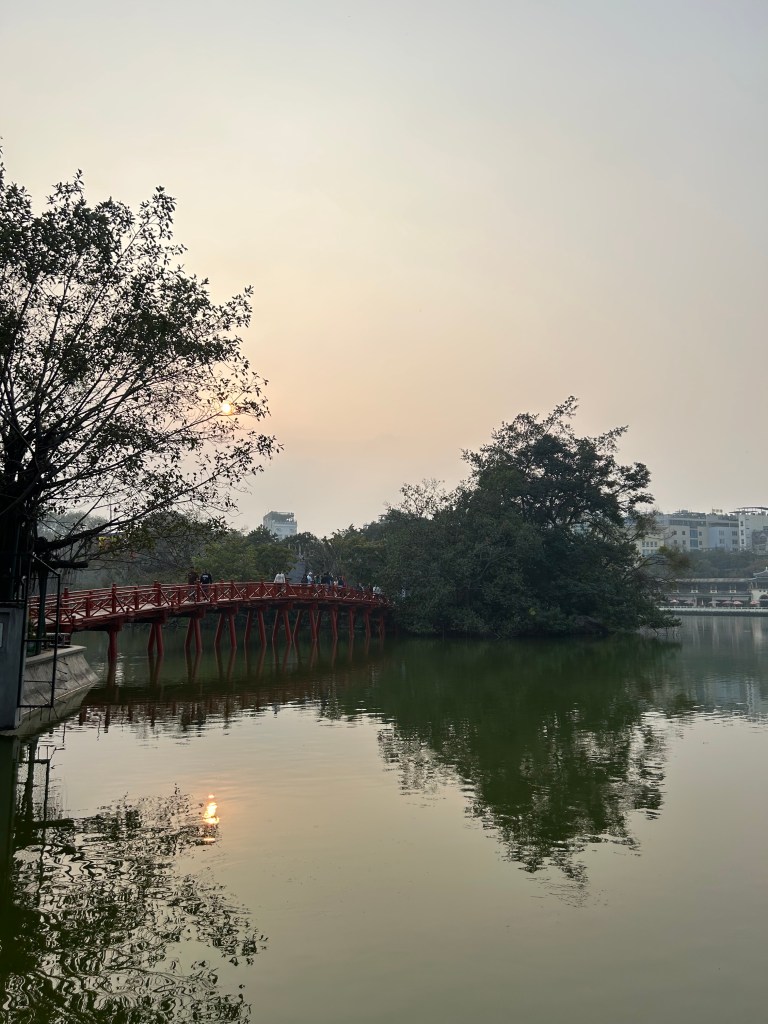
I was warned about the extensive littering ahead of my travels. However, it did not seem to surprise me. Either due to the warnings or because I took the experience as an experience, not a comparison or judgement on another country’s development. The one habit that really left me speechless was Vietnam’s habit of burning waste, especially plastics on the streets. I spent some time researching reasons for it without conclusive answers (burning of religious items due to Lunar New Year, lack of waste disposal options, habit from older times…).
As cheesy as that sounds, these experiences did allow me to step back and take stock of my sustainability journey. Countries are developing and so is their infrastructure. While climate change is not a priority, those countries are at the forefront of it. However, little action is possible when transport infrastructure, waste disposal and government subsidies are not ready to lay the foundations. I will always question actions that have a negative health impact. For instance, leaving cars on idle or using disposable items as a primary option for packaging – that being true around the world. It is important to note that I also saw metal trays used in food courts where Europe would often provide you with disposable packaging. Indeed, Malaysia and Singapore have many hawker centers where the norm is not to use disposable items. Overnight bus and/or train systems were well-developed in Vietnam and so where motorbike taxis.
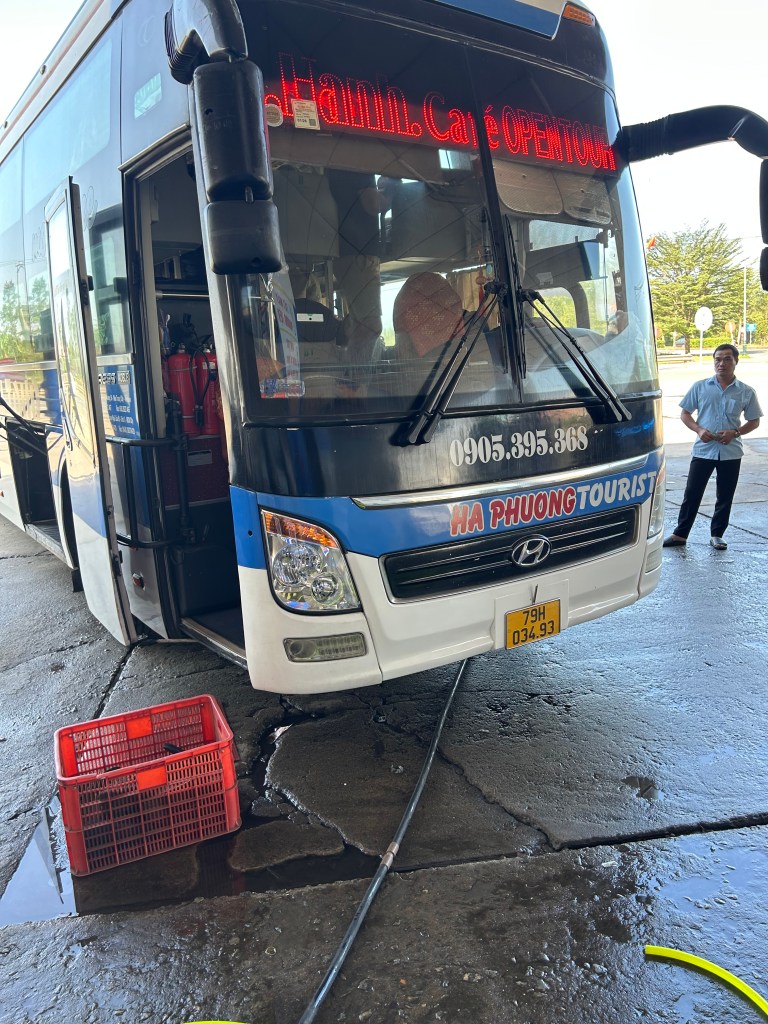
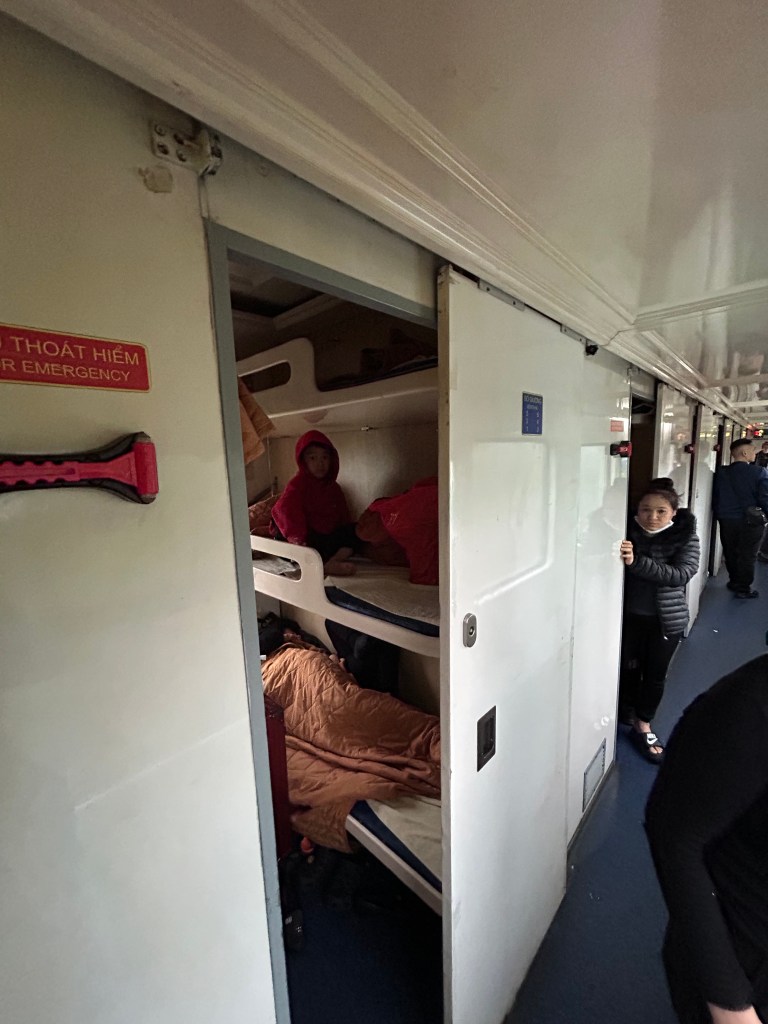
Coming back to my first point about burn-out, working in climate can feel like trading waters. I have written about climate anxiety previously but burn-out is a new one that I may explore further. I always thrived to meet people where they are and push them to what is feasible and needed – both being heavily intertwined. I have felt before that companies simply did not want to put funding and time into reducing their impact, but others are simply miles away from being able to have an impact. The lack of urgency leads sustainability professionals to sound like Cassandra while the majority is slowly shifting the dial due to their own constraints.
Here is to personal growth. Let me know what I should write about next!
If you liked this article, you may like
- Stories of enforcing supply chain standards with weaker governments
- Are we raidcal enough?

 Sustainable Crossroads